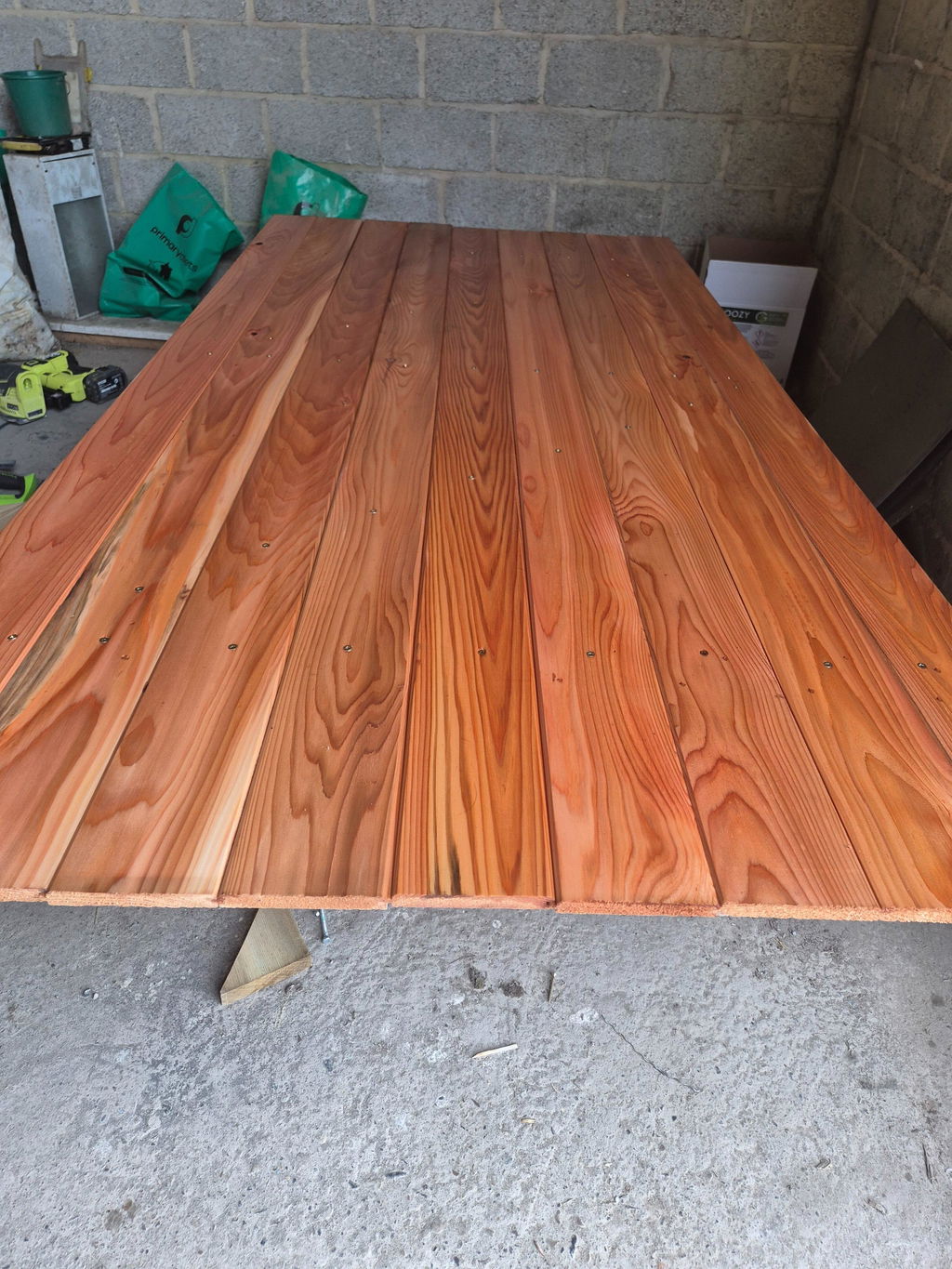
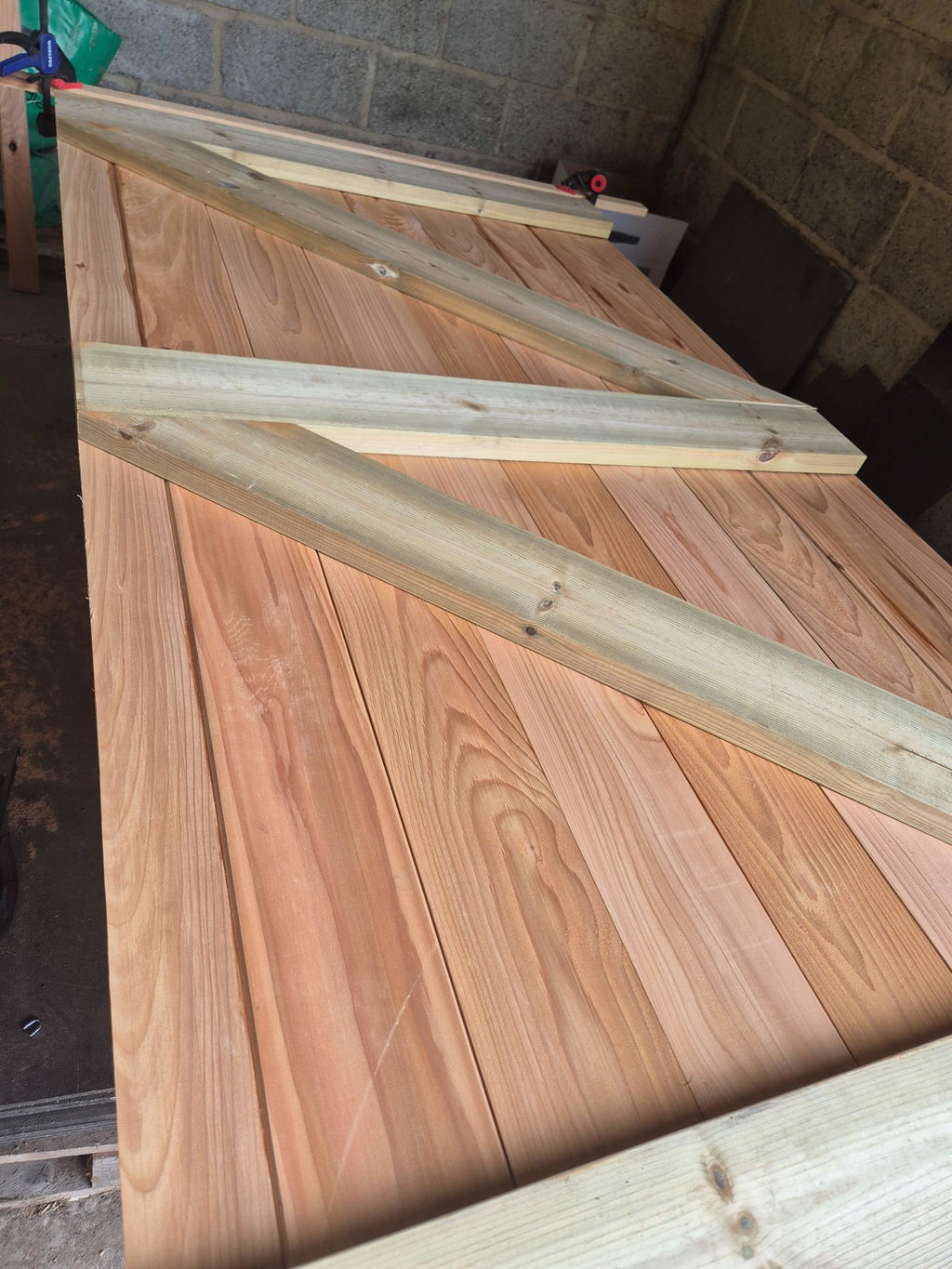
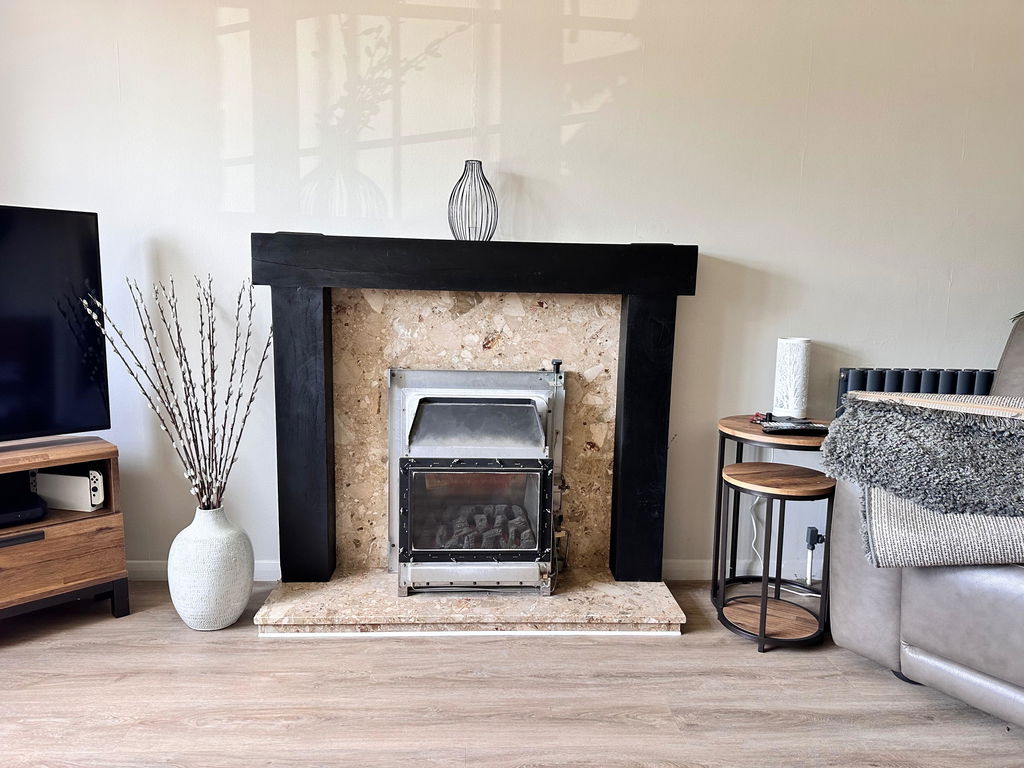
Hard Wax Oil vs Danish Oil: What's the Difference and Which Should You Use?
Choosing the right wood finish can make a big difference to how your furniture looks, feels and stands up to everyday use. Two popular choices are Hard Wax Oil and Danish Oil, but while both enhance natural wood, they work in slightly different ways.
Whether you're restoring an oak dining table, finishing wooden furniture or protecting a newly completed woodworking project, understanding the differences can help you achieve the result you're looking for.
In this guide, we'll compare Hard Wax Oil vs Danish Oil, explain their benefits and help you decide which is best for your wood project.
Hard Wax Oil vs Danish Oil: Quick Answer
Hard Wax Oil is generally the better choice for frequently used interior surfaces such as dining tables, worktops and wooden floors, where resistance to everyday moisture, stains and wear is particularly important.
Danish Oil is an excellent choice for furniture, doors, shelving and general woodworking projects, where you want to enhance the natural grain and achieve an attractive, easy-to-maintain finish.
Both finishes penetrate the timber and enhance its natural appearance. The main difference is that Hard Wax Oil combines penetrating oils with wax to provide additional surface protection, while Danish Oil is primarily designed to nourish, enhance and protect the timber through an oil-based finish.
Neither is automatically better for every project. The right choice depends on the surface, how it will be used and the finish you prefer.
Hard Wax Oil vs Danish Oil: Comparison
| Feature | Hard Wax Oil | Danish Oil |
|---|---|---|
| Main purpose | Natural finish with additional surface protection | Enhance and protect natural timber |
| Composition | Blend of oils and waxes | Blended penetrating wood oil |
| Appearance | Natural satin-matte finish | Natural satin finish |
| Water resistance | Good resistance to everyday moisture | Helps protect against moisture |
| Stain resistance | Designed to resist everyday stains | Some protection; spills should be removed promptly |
| Durability | Particularly suitable for frequently used surfaces | Durable finish for general furniture and joinery |
| Application | Thin coats, followed by buffing | Apply, allow to penetrate and wipe away excess |
| Typical uses | Dining tables, floors, worktops, furniture | Furniture, shelving, doors, joinery |
| Maintenance | Clean and refresh when worn | Reapply when timber looks dry or dull |
Both products are suitable for hardwoods and softwoods, provided the surface is correctly prepared and the manufacturer's application instructions are followed.
What Is Hard Wax Oil?
Hard Wax Oil is a wood finishing treatment that combines natural oils with waxes to enhance and protect timber.
The oil penetrates the wood, enriching its natural colour and grain, while the wax component contributes to a protective finish at the surface.
This combination makes Hard Wax Oil particularly useful for wooden surfaces that experience regular handling, cleaning and everyday wear.
GRAIN GUARD Hard Wax Oil combines linseed oil with carnauba wax to produce a durable, water- and stain-resistant finish.
It is suitable for a range of wooden surfaces, including:
-
Dining tables
-
Wooden floors
-
Worktops
-
Furniture and cabinets
-
Interior doors
-
General interior timber
The finished surface retains the natural character of the wood rather than appearing heavily coated or plastic-like.
What Are the Benefits of Hard Wax Oil?
The main advantages include:
-
Enhances natural wood grain and colour
-
Provides resistance to everyday moisture and stains
-
Helps protect against general wear
-
Leaves an attractive satin-matte finish
-
Suitable for frequently used interior wooden surfaces
-
Can be maintained and refreshed when required
Hard Wax Oil is a particularly practical option when you want the natural appearance of an oiled surface alongside the additional protection offered by wax.
What Is Danish Oil?
Danish Oil is a penetrating wood finish commonly used to enhance and protect natural timber.
Rather than creating a thick surface coating, it soaks into the wood and helps bring out the richness of the grain.
Danish Oil is popular with furniture restorers, woodworkers and DIY enthusiasts because it is straightforward to apply and produces an attractive natural-looking finish.
GRAIN GUARD Danish Oil is designed for interior and exterior wood, making it a versatile choice for furniture, shelving, doors and other wooden projects.
What Are the Benefits of Danish Oil?
Danish Oil offers several advantages:
-
Enhances the natural colour and grain of timber
-
Provides protection against moisture and everyday wear
-
Creates an attractive satin finish
-
Suitable for hardwoods and softwoods
-
Easy to apply with a brush or cloth
-
Can be refreshed with additional maintenance coats
-
Suitable for a wide range of interior and exterior projects
For many woodworking projects, Danish Oil provides an effective balance between appearance, protection and ease of application.
Which Is Better for a Wooden Dining Table?
For a wooden dining table that is used regularly, Hard Wax Oil would generally be our preferred choice.
Dining tables experience frequent contact with plates, cups, spills and cleaning products. A finish that offers good resistance to moisture, stains and everyday wear can therefore be particularly beneficial.
Hard Wax Oil provides this additional protection while retaining the natural appearance of the timber.
Danish Oil can also produce an attractive finish on a dining table, especially where highlighting the natural grain is the main priority.
However, a Danish Oil finish may require more attention to spills and periodic maintenance, depending on the level of use.
Whichever finish you choose, wipe up spills promptly and avoid leaving standing water on the surface.
Which Is Better for Wooden Floors?
For wooden floors, Hard Wax Oil is generally the more suitable option.
Floors are exposed to repeated foot traffic, dirt and everyday wear. A hard wax finish combines the natural appearance of oil with additional surface protection.
GRAIN GUARD Hard Wax Oil is suitable for interior wooden flooring and provides a durable finish that can be maintained as required.
Danish Oil is not usually our first recommendation for a heavily used wooden floor.
Always ensure the surface is properly prepared and allow the finish to dry and cure according to the product instructions before returning the floor to normal use.
Which Is Better for Wooden Furniture?
Both products can work extremely well on wooden furniture.
The decision largely depends on how the furniture will be used.
For frequently used furniture such as dining tables, desks and cabinets, Hard Wax Oil offers the advantage of additional resistance to everyday marking and moisture.
For decorative furniture, shelving, wooden trim and restoration projects, Danish Oil is an excellent choice where enhancing the timber's natural character is the main objective.
For example:
-
Dining table: Hard Wax Oil
-
Wooden desk: Hard Wax Oil
-
Decorative wooden shelving: Danish Oil
-
Interior wooden doors: Either, depending on the finish required
-
Wooden flooring: Hard Wax Oil
-
General woodworking projects: Danish Oil
Neither finish will completely prevent scratches, water marks or damage, so sensible care and maintenance remain important.
Does Hard Wax Oil Look Different from Danish Oil?
Both finishes are designed to enhance natural timber rather than conceal it beneath an opaque coating.
Danish Oil typically enriches the wood's natural colour and produces a subtle satin finish.
Hard Wax Oil also enhances the grain but combines the appearance of an oil finish with the subtle sheen of wax.
GRAIN GUARD Hard Wax Oil produces a natural satin-matte appearance, while GRAIN GUARD Danish Oil provides a natural-looking satin finish.
The final appearance will depend on the wood species, its natural colour, surface preparation and the amount of product applied.
Always test your chosen finish on a small, inconspicuous area before treating the entire surface.
Which Provides Better Water Protection?
Both finishes help protect wood against moisture, but they are not completely waterproof.
Hard Wax Oil combines penetrating oils with a wax component that helps resist water and everyday staining.
This makes it particularly useful for furniture and surfaces where occasional spills are likely.
Danish Oil also helps protect timber against moisture, although it does not provide the same type of wax-enriched surface finish.
For either product, prolonged exposure to standing water can eventually affect the wood or finish.
If you're protecting timber outdoors, a dedicated exterior product such as GRAIN GUARD Sealing Wood Oil may be more appropriate for surfaces exposed to prolonged rain and weather.
Is Hard Wax Oil Easier to Apply Than Danish Oil?
Both products are relatively straightforward to apply, although the techniques differ.
Applying Hard Wax Oil
-
Ensure the wood is clean, dry, absorbent and free from grease, dust and incompatible previous finishes.
-
Apply a thin, even layer using a suitable brush or cloth.
-
Allow approximately 20–30 minutes before polishing with a clean, dry cloth.
-
Allow approximately 24 hours for drying under suitable conditions.
-
Where a second coat is required, allow the first to dry fully before proceeding.
Avoid applying excessive product, as this can result in uneven drying or a sticky surface.
Applying Danish Oil
-
Prepare the wood by cleaning and sanding where necessary.
-
Apply the oil with a brush or lint-free cloth, working with the grain.
-
Allow approximately 10–15 minutes for the oil to penetrate.
-
Wipe away excess oil with a clean cloth.
-
Allow the surface to dry fully before applying further coats.
For most bare timber, three coats of GRAIN GUARD Danish Oil are recommended.
For more detailed application advice, see our How to Apply Danish Oil: A Complete Guide.
Important safety advice: Oil-soaked application cloths can self-heat and ignite if handled incorrectly. Always follow the product's safety and disposal instructions. Never leave used oily cloths crumpled together.
Can You Apply Hard Wax Oil Over Danish Oil?
This depends on the condition of the existing finish and the compatibility of the two products.
Hard Wax Oil needs a clean, dry and suitably absorbent surface to perform correctly.
If timber has already been treated with Danish Oil, applying Hard Wax Oil directly over it may affect penetration or adhesion, particularly if the existing finish has not fully cured.
For the most reliable result, follow the Hard Wax Oil manufacturer's surface preparation instructions and remove incompatible previous finishes where required.
Do not assume that two products can be layered simply because they are both oil-based.
How Do You Maintain Hard Wax Oil and Danish Oil Finishes?
Both finishes benefit from occasional maintenance.
For everyday cleaning, use a soft cloth and a suitable wood-safe cleaning method. Avoid harsh chemicals, abrasive cleaning products and prolonged exposure to standing water.
Maintaining Hard Wax Oil
Inspect the surface periodically for dull areas, marks or signs of wear.
Where required, clean and prepare the affected area before applying a suitable maintenance coat in accordance with the product instructions.
Maintaining Danish Oil
Danish Oil finishes can be refreshed when the wood begins to look dry or loses some of its natural sheen.
Clean the surface thoroughly, allow it to dry and apply a suitable maintenance coat following the product instructions.
How often maintenance is needed depends on the type of timber, level of use and environmental conditions.
Frequently Asked Questions
Is Hard Wax Oil better than Danish Oil?
Not always. Hard Wax Oil is generally preferable for frequently used interior surfaces requiring additional moisture and stain resistance. Danish Oil is an excellent choice for enhancing natural wood and protecting general furniture and joinery.
Can you use Danish Oil on oak?
Yes. Danish Oil is suitable for oak and many other hardwoods. It can enrich the natural colour and highlight the grain. Test a small area first to check the appearance.
Can Hard Wax Oil be used on oak furniture?
Yes. Hard Wax Oil is suitable for oak furniture, including tables, cabinets and other interior wooden surfaces.
Does Hard Wax Oil make wood waterproof?
No. Hard Wax Oil provides water resistance, not complete waterproofing. Spills should still be wiped away promptly.
Can you use Danish Oil outdoors?
Yes. GRAIN GUARD Danish Oil is suitable for many exterior wood projects. However, for timber regularly exposed to rain and sunlight, a dedicated exterior treatment such as Sealing Wood Oil may be a better choice.
Is Hard Wax Oil suitable for kitchen worktops?
GRAIN GUARD Hard Wax Oil is marketed for wooden worktops. However, suitability for direct food contact should be confirmed separately. For chopping boards and other food-preparation surfaces, use a specifically designated food-safe treatment.
How often should you reapply Danish Oil?
There is no fixed interval for every project. Reapply when the surface begins to look dry, dull or shows signs of wear, following the product's preparation and application instructions.
Hard Wax Oil or Danish Oil: Which Should You Choose?
Both Hard Wax Oil and Danish Oil are excellent choices for enhancing and protecting natural wood.
If you're finishing a dining table, wooden floor or another frequently used interior surface, GRAIN GUARD Hard Wax Oil offers the advantage of a wax-enriched finish with additional resistance to everyday moisture, stains and wear.
If you're restoring furniture, finishing shelving or completing a general woodworking project, GRAIN GUARD Danish Oil provides an attractive, versatile finish that brings out the natural beauty of the timber.
The best choice ultimately comes down to how the wood will be used and the appearance you want to achieve.
Whichever finish you choose, proper preparation, careful application and regular maintenance will help keep your wooden surfaces looking their best.
🌿 Continue Your Wood Care Journey
Choosing the right wood finish is just one part of keeping your furniture and timber looking their best. From preparing surfaces and applying natural oils to repairing scratches and protecting wood against everyday wear, good wood care starts with the right techniques.
Explore more GRAIN GUARD guides for practical advice on restoring, finishing and maintaining wooden surfaces.
-
How to Apply Danish Oil: A Complete Guide — Learn how to prepare timber, apply Danish Oil correctly and achieve an attractive, natural-looking finish.
-
Water-Based Wood Stain: Everything You Need to Know — Discover how to change the colour of wooden surfaces while retaining the natural character and grain of the timber.
-
How to Repair Scratches in Wooden Furniture — Find out how to tackle scratches, small chips and minor imperfections using wax filler repair sticks.
Was this guide helpful?
We're always adding new practical advice to the GRAIN GUARD Wood Care Knowledge Centre. If there's a wood care question or project you'd like us to cover, we'd love to hear from you.